
Simms’ Comic Story of an 1847 Hunting Trip:
How Sharp Snaffles Got His Capital and Wife
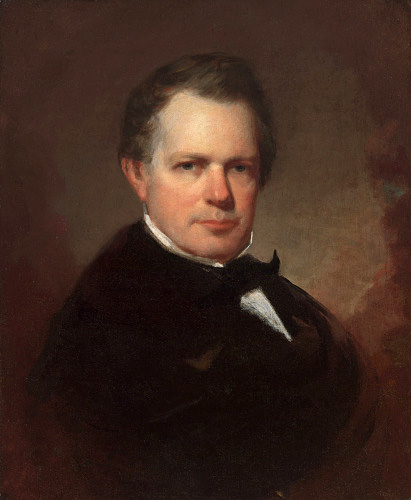
National Portrait Gallery, Washington D.C.
William Gilmore Simms (1806 – 1870)
Elected to the South Carolina legislature in 1844, William Gilmore Simms was already a well-regarded author when he arrived at Dr. Columbus Mills’ plantation in what’s now Polk County, North Carolina in September, 1847. Nearly the same age, both ambitious men had much in common. Mills was first elected to state senate in 1846, and both slaveowners preferred the genial life of the country “planter” to money-making.
Hunting wild game was recreation both Simms and Mills enjoyed greatly. Near Mills plantation by Tryon Mountain were thousands of acres of undeveloped forest lands, teeming with game. Dr. Mills kept good horses. He knew well local “market hunters” who harvested game for a living, experienced guides. Simms deposited his wealthy wife Chevillette (a cousin of Mills) who bore 14 children, weak and seeking relief from their Low Country plantation’s torrid summer, in Spartanburg with friends. Susan Mills was a quiet wife with no children, who didn’t mind staying home. Columbus organized a long camping expedition away like William had never experienced before.
Six men departed Mills Plantation on horseback with guns and saddlebags, followed by the baggage wagon and draft team loaded for many nights camping. They headed west through Dr. Mills’ own undeveloped lands around Hogback Mountain, straddling the state line, to cross Eastern Continental Divide. Beyond lay the vast Transylvania wilderness. Simms took along his notebook and diary.
Their trip was a grand success. Not only did Simms enjoy the camaraderie of the expedition, he accumulated material for his prolific writing. His greatest creative joy was fiction; by 1847 he’d already published numerous stories and novels about history and legend. That April he returned from New York, his manuscript finished for Harper & Brothers to publish The Life of Chevalier Bayard, “the most admirable model to the generous ambition of the young that we find in all the pages of history.” It was a long novel, well-crafted, with 14 good illustrations commissioned from prominent New York artist Frederick Halpin.
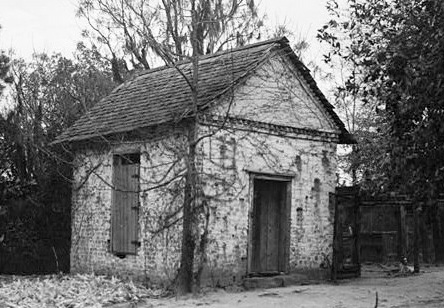
Library of Congress
Simms’ study at Woodlands, his plantation in Bamberg County S.C.
photographed by Historic American Buildings Survey in 1930s
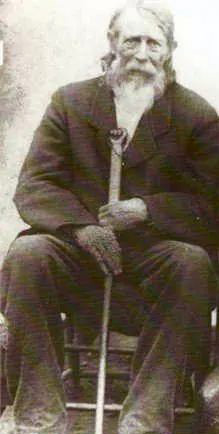
an actual personality, Jim Fisher,
hunter and guide in Transylvania wilderness
Columbus Mills knew Simms was gathering fresh material. He didn’t know, but surely could guess, that he’d some day be a character in his famous guest’s vast body of literature. During the next twenty years the careers of both men crested and crashed. Mills created a new North Carolina county with its seat Columbus named for himself, as he rose to lofty position in antebellum politics and served on Council of State. Simms achieved national fame and a reputation akin to James Fenimore Cooper’s in the North, as the South’s most influential writer and editor. But two decades later both were beat. In the Civil War’s aftermath Dr. Mills was left destroyed politically and was financially in distress. He sold his fine plantation in 1869 and retired well away to a quieter realm.
Discredited as a vocal supporter of slavery and secession writer Simms failed to relaunch his reputation with publishers. William Gilmore Simms, in his last years before he passed in June 1870, turned to humor and comedy. His old friends at Harper’s in New York took pity, and relented to publish a new short-story based on his long-ago hunting trip, finished as Simms was dying of colon cancer. How Sharp Snaffles Got His Capital and Wife appeared posthumously, in the October 1870 edition of Harper’s Monthly magazine.
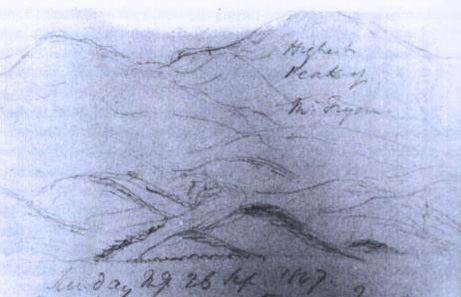
University of South Carolina, Simms archive
Its manuscript has not survived but Simms’ notebook has, from an 1867 trip to refresh and relive his memories. In it is his own sketch of the mountains from Mills Plantation, and notes which convincingly reveal Simms managed to meet up again with Columbus Mills there, not long before Dr. Mills moved away to a new home in rural Cabarrus county east of Charlotte, where he passed away in 1882.
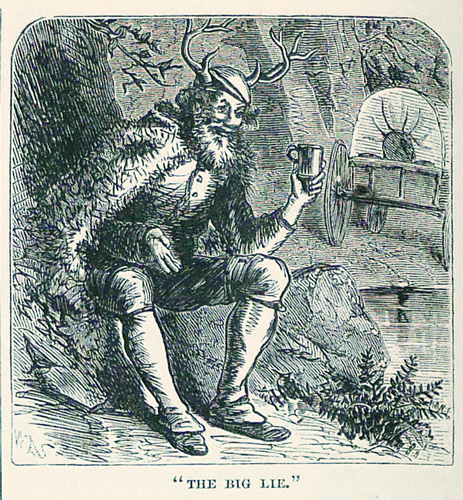
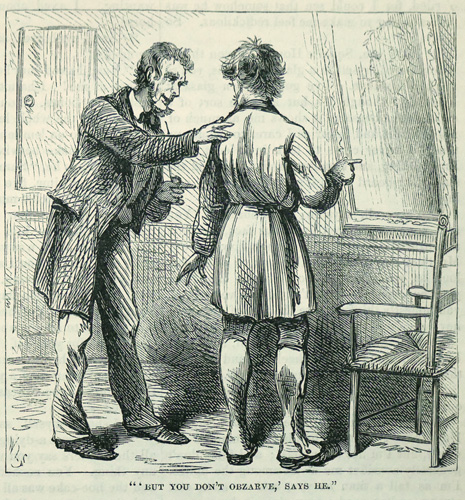
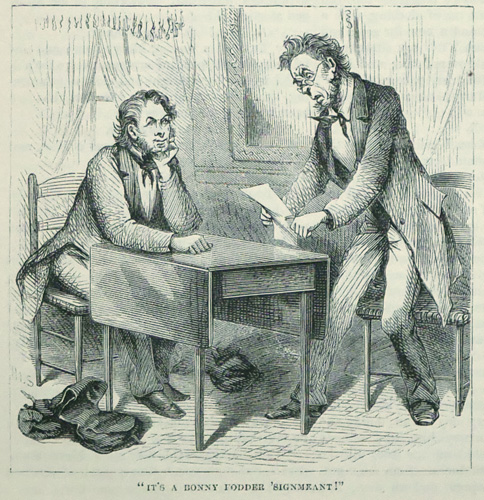
Squire Hopson at his wicked game
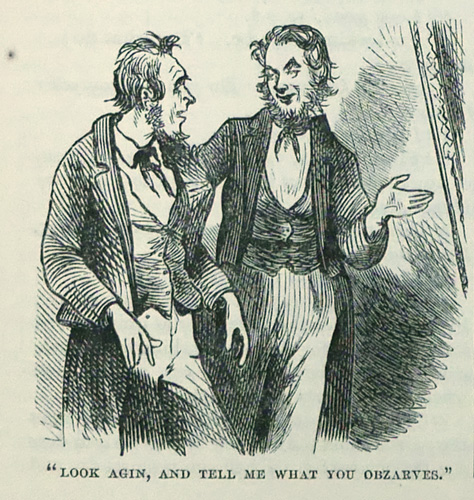
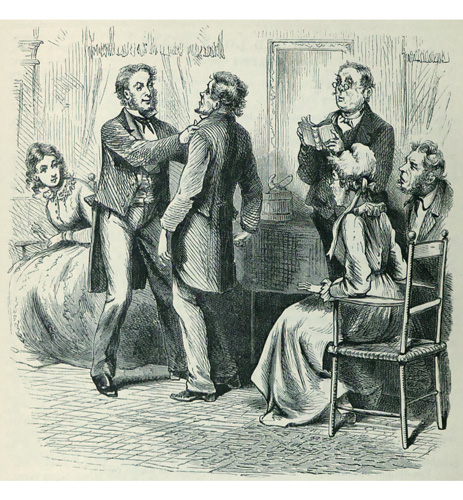
before Parson Stovall weds them
Scroll above, to enlarge additional illustrations for Simms’ story.
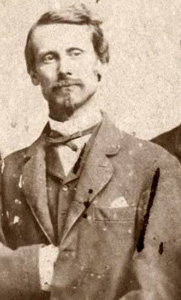
American Civil War Museum, Richmond, Va.
Richmond-born artist William Ludwell Sheppard circa 1870
William Ludwell Sheppard, young Virginia-born artist working in New York, was commissioned to create eight vibrant illustrations. Sheppard went on to success depicting the post-war South for Picturesque America, North Carolina author Christian Reid’s The Land of the Sky, and many other projects in the late 19th century. Critics lauded Sharp Snaffles then, and today it’s reckoned one of Simms’ most endearing tales. Columbus Mills lived to see his real name used in it, not fictionalized. So, this story turned out indeed a fine “thank you” from his grateful guest to a gracious host.
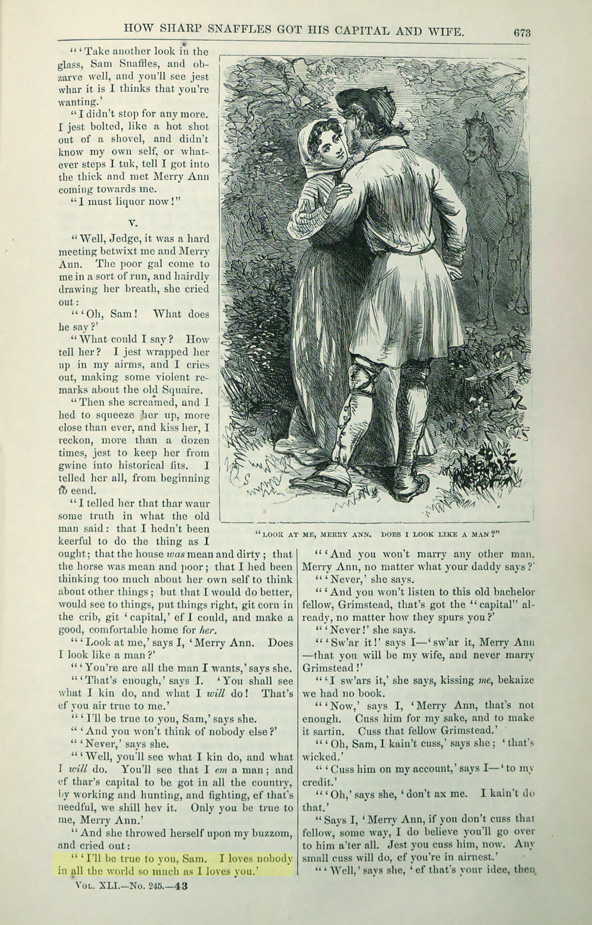
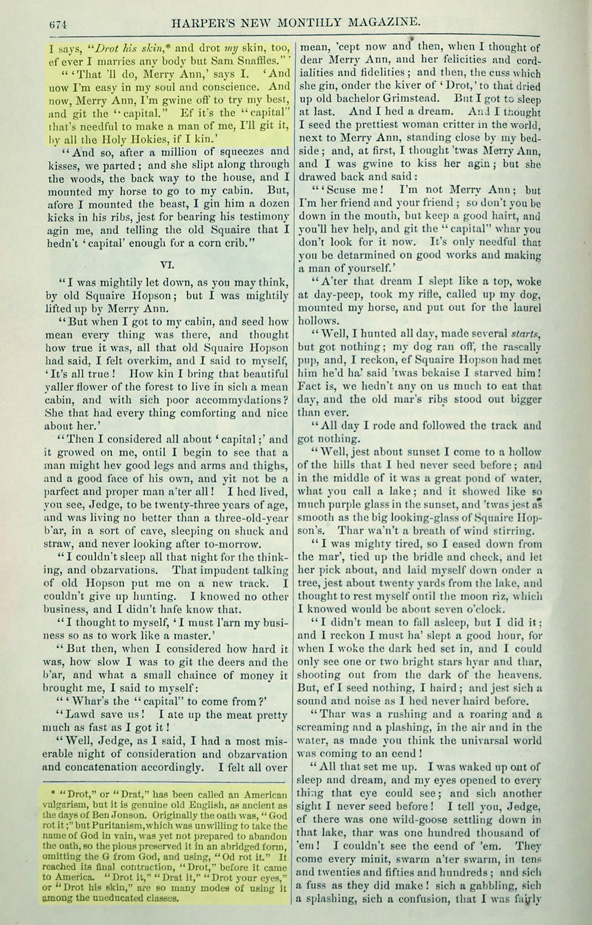
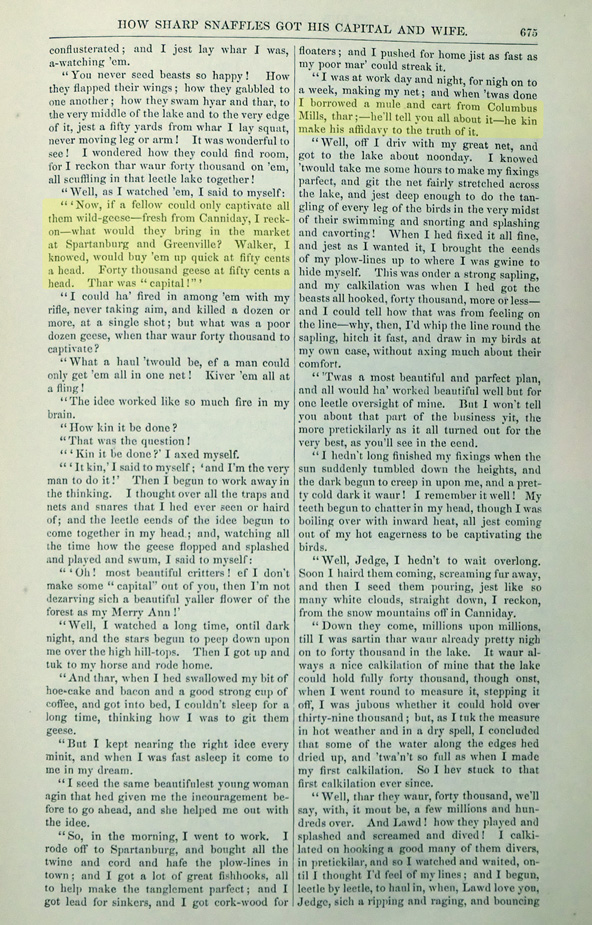
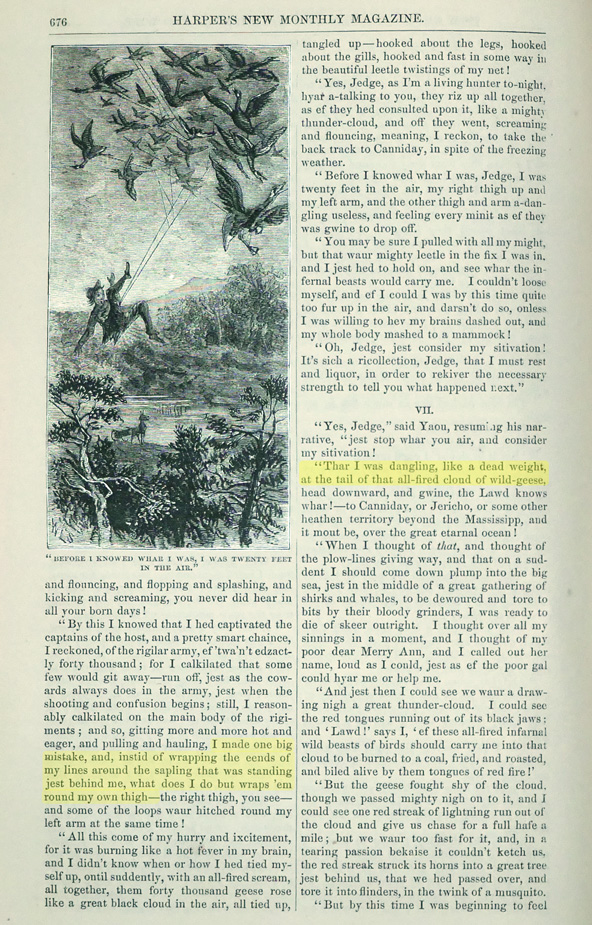
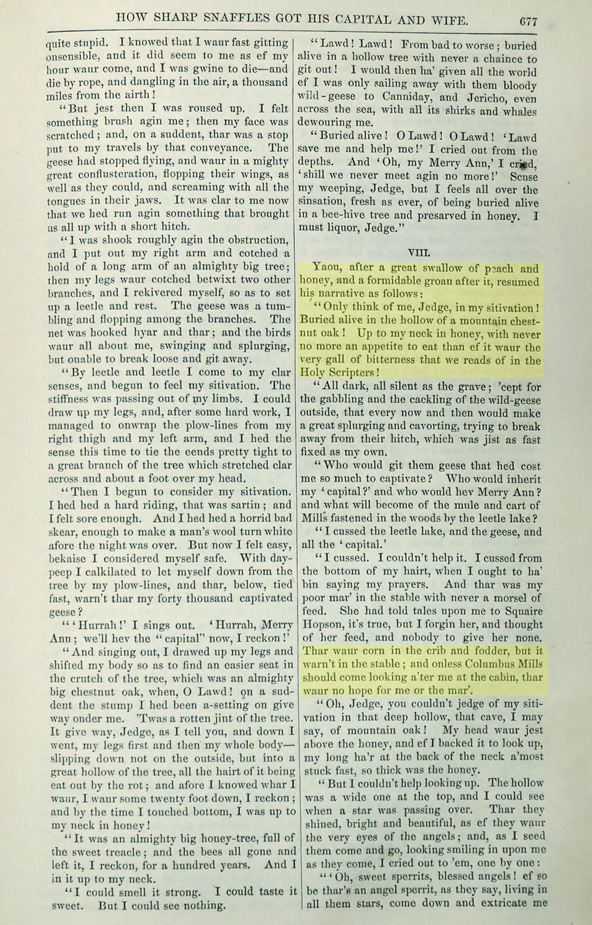
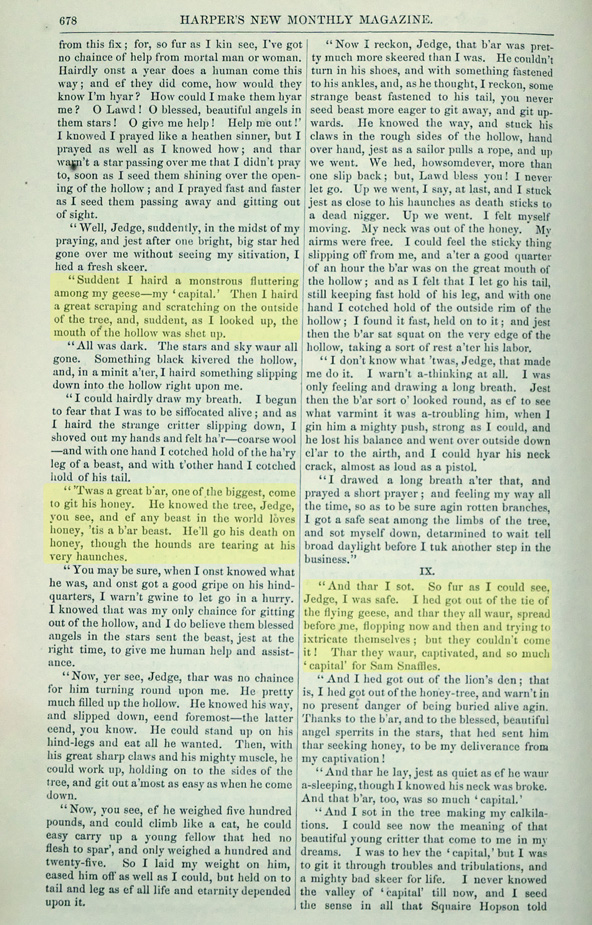
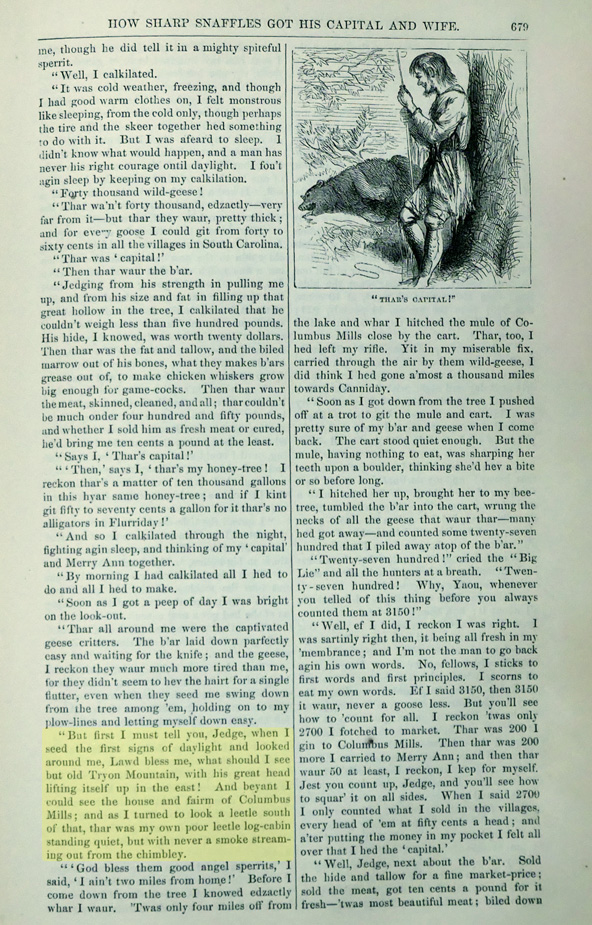
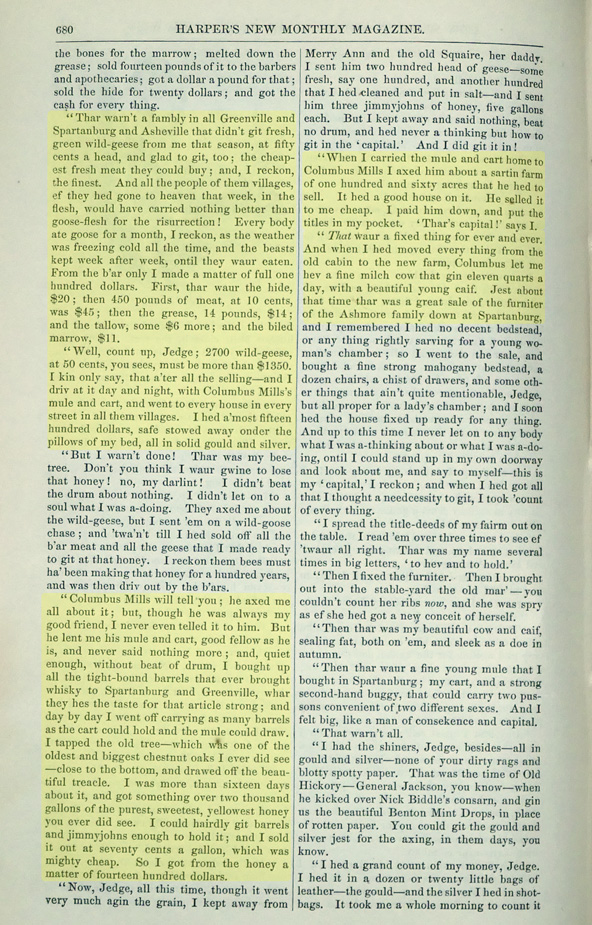
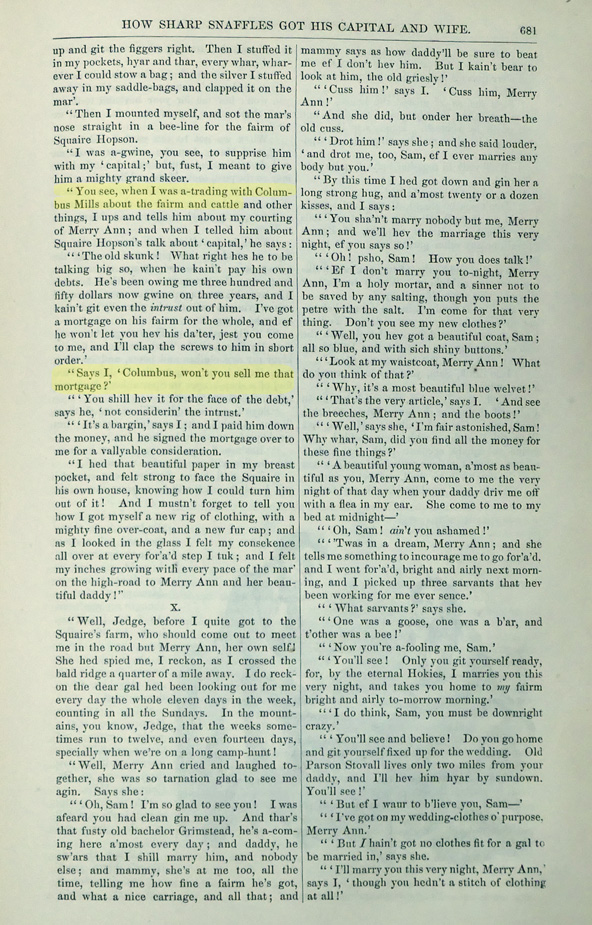
Simms had a remarkable ear for local speech. His tale is our best documentation for everyday pronunciation and expression we have of area language during the 19th century.
Scroll here for selected pages from
How Sharp Snaffles Got His Capital And Wife short story.
Mike McCue August, 2026

Questions or comments? Get in touch:
TryonHistory.org publishes original essays pertaining to Polk County, North Carolina before 1999. We’re not a history museum or archive, and we don’t conduct historical research for individuals or organizations.
-
111 Kangaroo Drive
Columbus, NC 28722
- (828) 436-2102
- info@tryonhistory.org
- © Condar Press. All rights reserved.