
Auto Mania: 1910 to 1930
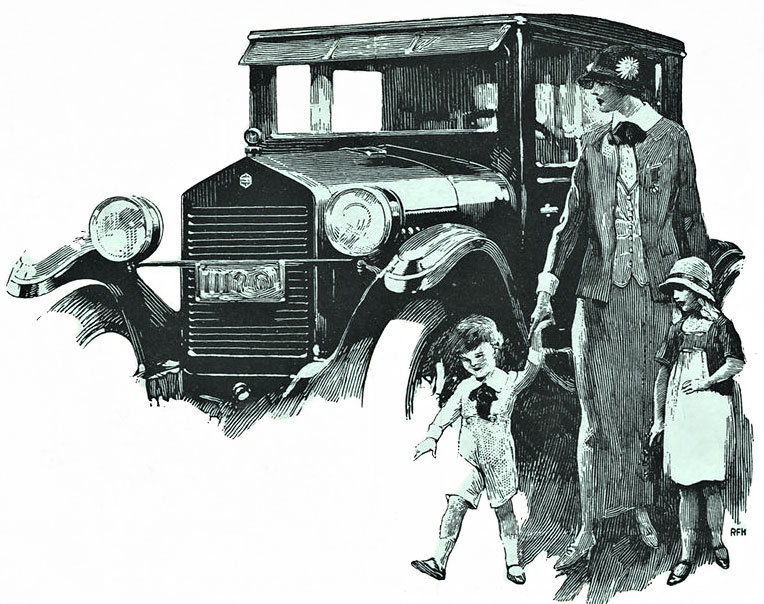
By 1925 eighty-five percent of new cars sold were closed vehicles, and virtually all had electric starters. In less than 15 years, automobiles changed from “touring cars” and open roadsters for recreation, to preferred vehicles for daily transport, driven by women as well as men. Town people and country people got rid of buggies and horses, stopped taking trains for shopping and vacations, and took to new all-weather roads crossing streams on steel bridges. How this transformation came about is American history’s most significant transportation topic of the early 20th century.
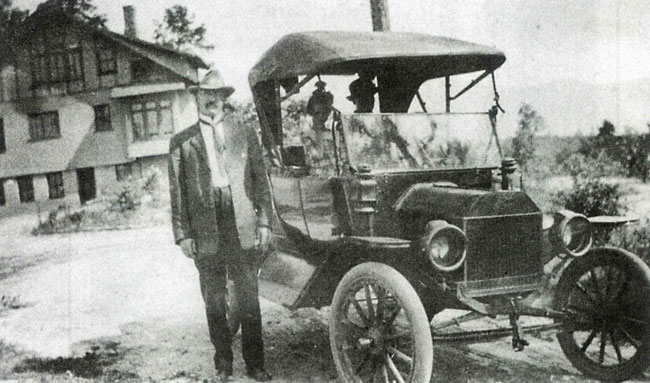
Dr. Grady at his Tryon home
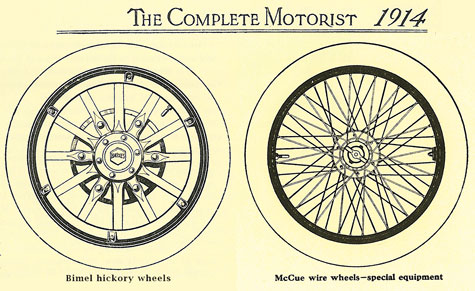
In 1910 there was not a single automobile owned by any resident of Polk County in North Carolina. The next year Earle Grady, a young Tryon physician, bought his first car. It was a Maxwell runabout made in Indiana, red, with a retractable canvas top. He could crank his car manually in a jiffy, much faster than hitching up a horse to get to his house calls. About the same time another doctor, Beauregard Lancaster of Sandy Springs in Green Creek township, bought a Middleby runabout made in Pennsylvania. Both of these cars were four cylinders with hickory-spoke wheels and seats for two.
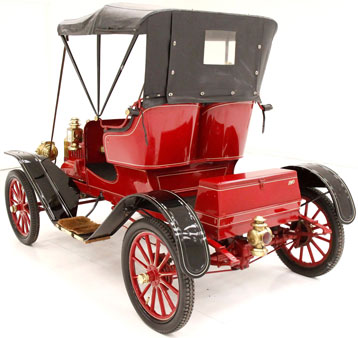
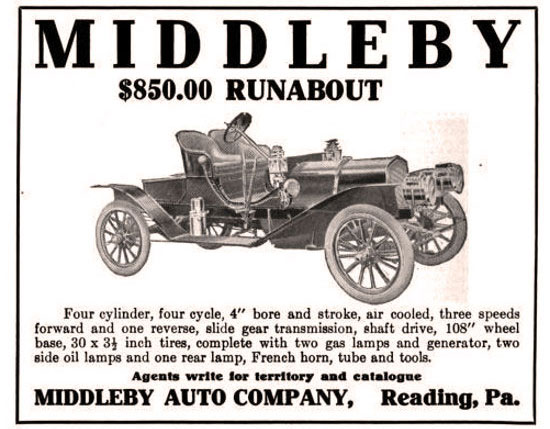
Roads were narrow. To cross Broad River to reach patients on the Rutherford County side, Lancaster’s air-cooled Middleby was put on a pole ferry at Poors Ford. When Grady went to Saluda the present Highway 176 route did not yet exist. By 1905 an improved, smooth macadamized road designed for horse-drawn wagons (driving too fast would kick up a cloud of dust) ran from Tryon depot to The Mimosa resort at Lynn. From there Grady’s car tackled steep grades of the old dirt Howard Gap Road constructed before the Civil War.
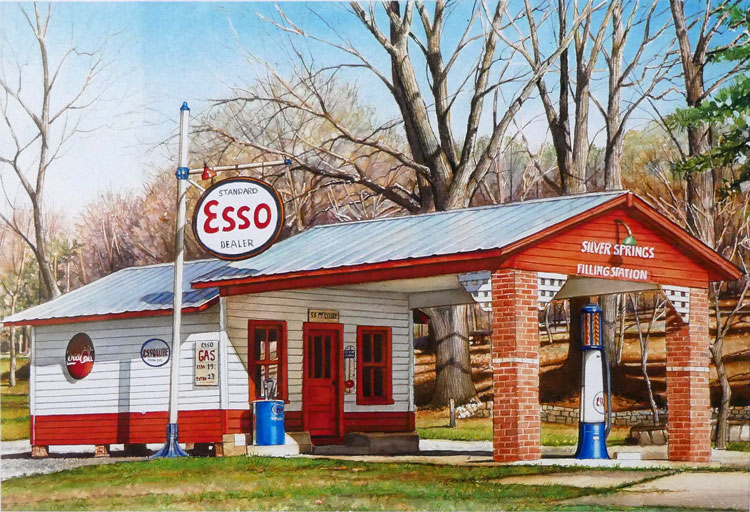
As yet there were no car dealerships locally. During the period of the First World War, as more residents took the bold step of buying cars, commissioned “agents” would demonstrate their personal vehicles to prospects and take orders for deliveries from manufacturers, to Polk’s rail depots in Tryon or Saluda. It was up to the buyer to take delivery and pay the freight, procure fuel (gasoline was sold in cans at hardware emporiums), and maintain the vehicle himself. The first purpose-built gas station was the Silver Springs near the South Carolina state line.
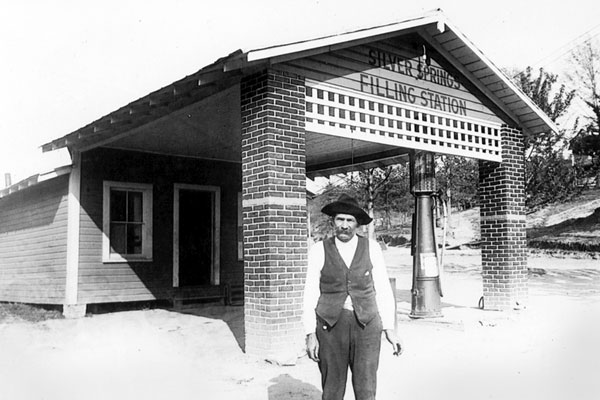
McClure's Silver Springs filling station
Wealthy tourists who owned open touring cars were attracted to The Mimosa. They came up from South Carolina on recreation excursions, if weather was good, instead of taking the Southern Railway’s train. They could enjoy Polk County’s short macadamized road, and even venture over to Melrose to see the beautiful waterfall, beyond which a road suitable for auto travel ended. Travel up from Spartanburg was an adventure. If the car broke down it could be towed by horse to a train station for return to the city for repair. A troupe of car owners conducted an “auto race” during this period up the scary, winding road on White Oak Mountain, but it was more a stunt than a demonstration that cars were practical for prosaic transportation in hilly Polk County.
Today we remember the name Stearns for Polk County’s schools administration headquarters, in the high school built a century ago to honor Frank McIntire Stearns of Cleveland, Ohio. At his own expense he built the first good school in Columbus, developed White Oak Mountain with two hostelries, and renovated The Mimosa as a top-quality resort.
His son was Frank Ballou Stearns, ambitious engineer who built his first car in the basement of the family’s Cleveland home when he was 17. With his father’s support young Stearns relocated his “factory” to their livery stable. In 1898 he founded F.B. Stearns Company to produce automobiles renowned for quality; in 1912 they were first U.S. manufacturer to license the “Silent Knight” sleeve valve engine design. Their model SK6 was advertised as “America’s most luxurious motor car.” The last operating Stearns SK6 touring car today is displayed at Tampa Bay Automobile Museum in Florida. Frank B. Stearns served as a trustee for his father’s institute in Columbus, but his auto-racing passion elsewhere and whopping $5000 price point are reasons nobody in Polk County ever bought one. Besides, there existed no road where an SK6 could travel top-speed at 90 miles per hour!
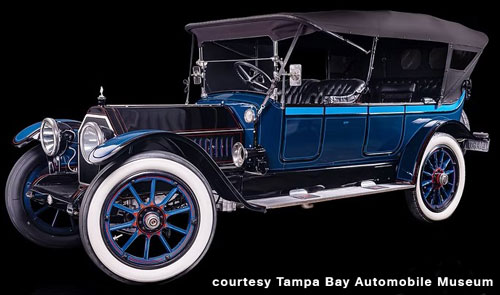
Restored luxury Stearns SK6, the style of touring car driven by wealthy automobilists to The Mimosa resort.
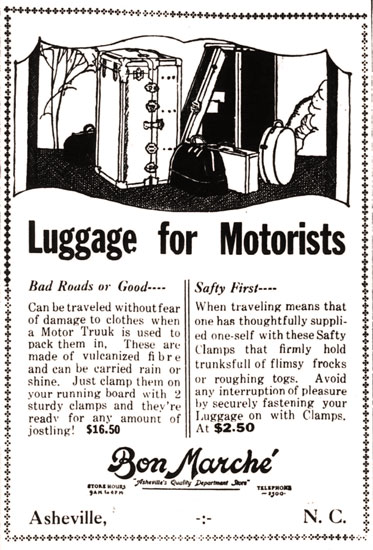
During the second decade of the 20th century automobiles captured America’s imagination like never before. Well-off people wanted not just cars, but fun places to drive them. In 1912 affluent Massachusetts started construction of the nation’s first Scenic Highway — built to offer a day’s pleasant touring-car excursion through appealing landscape. It was the Mohawk Trail in the Berkshires, roughly paralleling a major rail line that ran 70,000 Boston-to-Albany railcars every month through the famous 4.7 mile Hoosac tunnel, deep under a granite extension of Vermont’s Green Mountains. Tryon’s board of trade had visionary leaders, aware of progress elsewhere like the Mohawk Trail highway, and ambitious to attract tourists and satisfy aspirations of new residents. Automobiles couldn’t travel west up Pacolet Valley beyond Rock Cliff quarry, nor to Landrum in Spartanburg county except via Black Bottom veering east of Southern Railway’s deep rock cut by the state line. George B. Cobb, a native of the Berkshire mountains in Massachusetts, assumed leadership and facilitated Tryon Township to vote bonds to finance building the critical link for a modern Appalachian Highway.
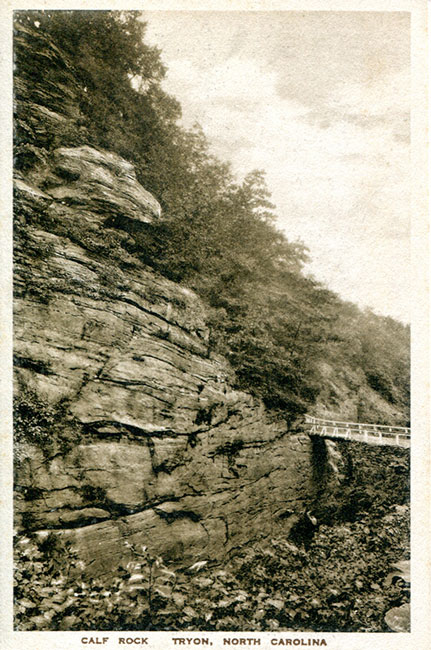
New 1914 highway crossed Pacolet River twice at "twin bridges" where automobilists could pull over to admire Calf Rock's vertical granite. Today this scenic Polk County route is US Highway 176.
In February 1914 his Polk County News reported “a scenic highway of unusual grandeur” would be ready for travel by summer. Four hundred workmen were blasting through one and three-quarters miles of solid rock in Pacolet Gorge. Road grade would average five percent and surface would be sand-clay. This wasn’t hard-surface, or even gravel or aggregate like an expensive macadam road. Mainly built in the South, tricky high-maintenance sand-clay technique was “perfected” thanks to William L. Spoon of U.S. Department of Agriculture’s office of public roads, who became state highway engineer in his native North Carolina.
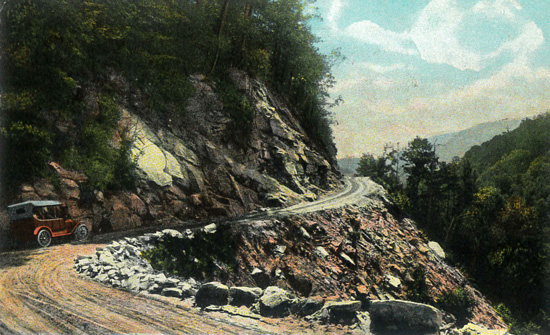
Daunting old "winding stairs" route to Hendersonville became obsolete after new Appalachian Highway, west from Tryon to Saluda was opened in 1914.
Spartanburg business interests, too, supported this Appalachian Highway project because it was to be their Gateway to the Mountains, competing with the Dixie Highway which routed northbound auto travel toward Hendersonville via the old “winding stairs” route from rival Greenville S.C. They set about to designate their state’s “trunk route” to the North Carolina line along the west edge of Southern Railway’s right-of-way, to create a straight route into Tryon past the rock cut and Vaughn’s Creek trestle. Improved with hard surfaces and better bridges, after 1917 North Carolina’s road commission designated Pacolet Gorge their western trunk route, via Saluda, a safe and speedy trip for motorists. This transformative routing through Polk County made its new automobile highway the popular alternative to railroad travel over the Eastern Continental Divide.
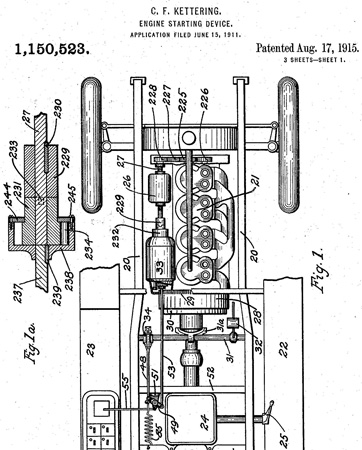
Meanwhile inventors were figuring out practical solutions for the most significant obstacle to widespread car ownership, how to start the internal-combustion gasoline engine. Manual crank-starts were tricky and dangerous. Many a man was injured doing it; a risk of employment as a chauffeur was this task. In August, 1915 Charles Kettering of Ohio was granted a patent for his “engine starting device.” Although not the first method invented, Kettering’s was the most brilliant, integrating sophisticated electrical engineering and higher voltage with clever automatic clutch disengagement and gearing with the car’s flywheel on its driveshaft. In 1919 even Henry Ford accepted it and introduced Kettering’s starter with his closed-cabin cars, offering it as an extra-cost option on his other Model Ts. By the Twenties virtually all American manufacturers deployed Kettering’s invention. During that decade the nation’s car ownership tripled.
And old photograph from Fourth of July, 1916 shows Esby Walter Dedmond’s family in their new crank-start Model T during a gathering of auto owners in Green Creek. It was an open car with seats front-and-back. Born in the Yadkin River area of the Piedmont, Esby was the entrepreneur who owned the “mineral mine” between Columbus and Mill Spring, whence came the rock used to make Tirtuat-Vondura, a cure for pellagra. The “gentlemanly and modest" entrepreneur Waldemar E. Kilpin, a Canadian native of Wales who served in Britain’s army during World War I, arrived in 1918 for a sojourn and soon married a Tryon widow from Detroit.
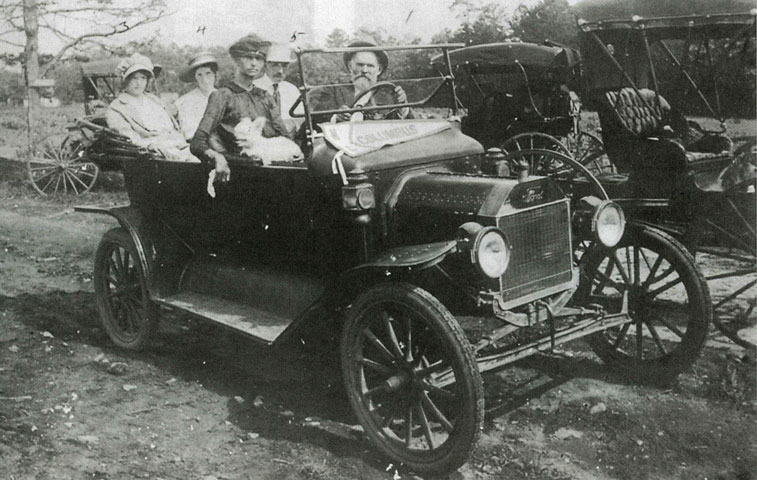
Dedmond family in their open Model T
He acquired the Ford agency and filling station, and made his business into what became the nation’s model for marketing cars. Kilpin emphasized service support and he had a “trouble and wreck car” on duty at all hours of the day. Located prominently on Trade Street — the trunk route for out-of-state drivers passing through — Kilpin Motor Company was professional. Mr. Kilpin’s ads for Fords offered dealer financing. His ads in Polk County News show the closed coupe with “convenient window regulators” and they tell about improved upholstery.
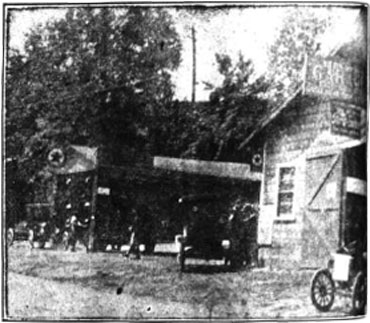
Polk County News photograph of Kilpin's business. Heavy motor traffic attracted other entrepeneurs to Tryon's "motor mile" during the 1920s.
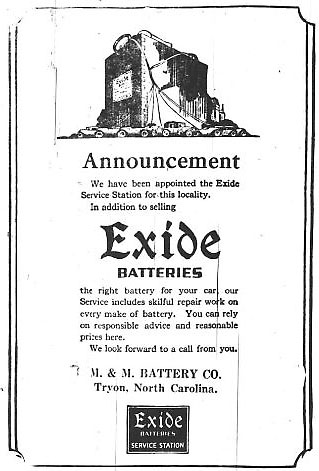
His marketing emphasis shows how car-selling became more about comfort and ease than technical specifications. Kilpin offered free air and water, free crank case service, and 24 hour a day tire and battery service. “Whatever the trouble, we will tell you what it is and how much it will cost, before starting work.” By late 1924 Kilpin’s business was so strong he was selling new Fords in Tryon faster than one every-other day.
During the mid-Twenties other enterprises joined Kilpin to make Trade Street an avenue for Auto Mania. Several businesses there offered brands at all price points, including high end Studebaker and Packard. Ed Sample left Kilpin’s to open a filling station in space until recently occupied by a feed store. Fuel was dispensed from a ten-gallon sight feed pump.
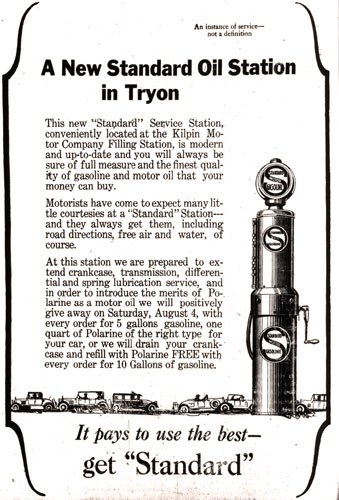
In response Kilpin began marketing branded Standard gas and Polarine motor oil, refilling your crankcase with Polarine free, with purchase ten gallons of gasoline. Competition for buyers became so intense Kilpin was advertising a Ford open car for $295 “finished in enduring black, rich and deep in lustre, obtained by improved enameling process.”
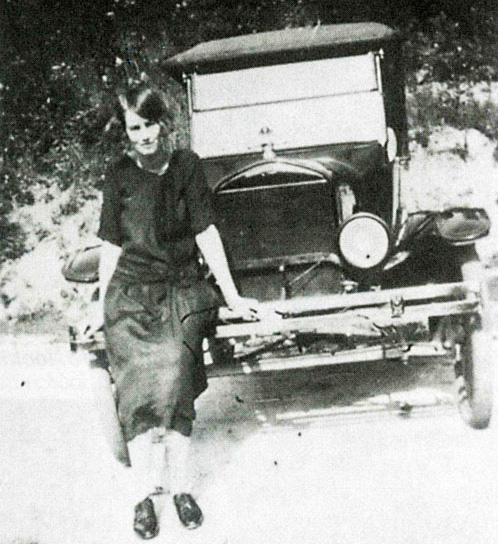
Even a school teacher could buy a basic Model T. That year Miss Laylas Nanney, a farmer’s daughter living at Camp Creek in Rutherford County, became a long-distance daily commuter to her job at Pleasant Hill school near Peniel church in Columbus. Commuting outside Polk County became feasible too, during the Twenties. Wealthy businessman Andrew Law built a mansion near Tryon Country Club and commuted in his chauffeur-driven closed sedan 30 miles to downtown Spartanburg, so nicer than taking the train. Throughout the United States, commuters who previously rode to work by train or trolley started driving.
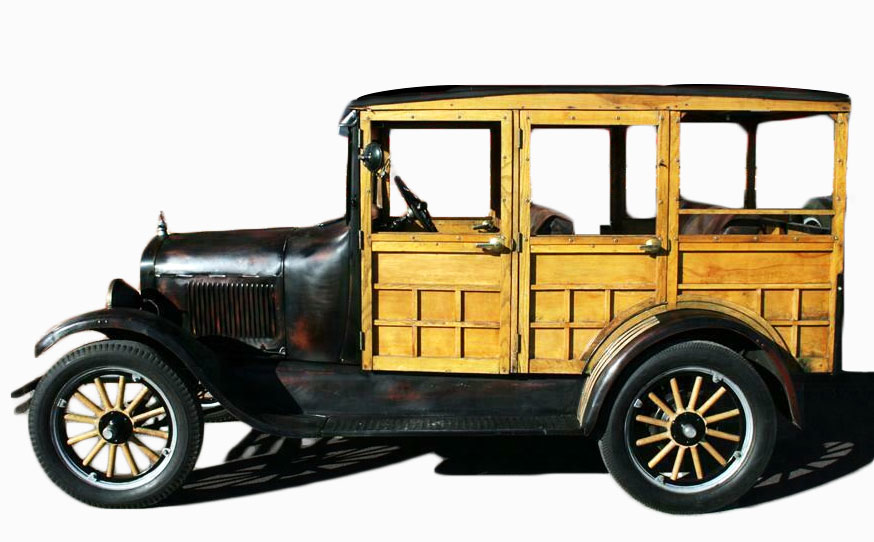
a restored Model T "woodie" similar to the artist's "Bucking Bronco"
Lawrence Mazzanovich, a nationally-known Impressionist landscape painter, was an eccentric sight driving his “Bucking Bronco.” Before Ford offered a factory-built station wagon, aftermarket shops whomped up all sorts of trucks on Model T chassis; Mazzy’s “woodie” was a depot hack for hauling luggage and packages to train stations. Loaded with easel, paints, canvases and field-sketch boards, food and umbrella, he motored up rough tracks to mountain-tops for painting excursions.
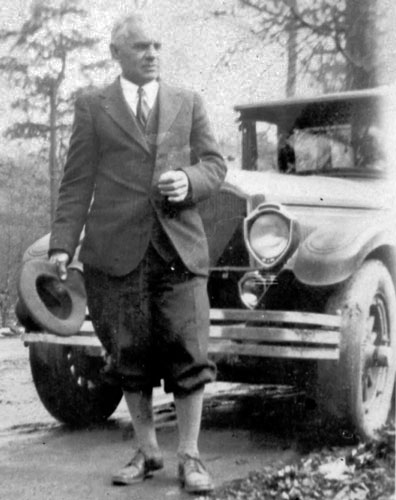
George Aid with his Willys-Knight at Metcalf estate in Columbus
Professional artist George Aid had a Model T in the Twenties. He drove it to his Tryon village studio daily from his vineyard home out in Pacolet Valley, taking his son along to attend school. Aid included an early automobile around 1905 in his etching of the Paris church St. Nicholas du Chardonnet, perhaps the first artist in France to depict a car in “serious art.” Ironically, Aid traded in his Model T for a snazzy 1928 Willys-Knight sedan. The car broke down on the side of a highway when he went out-of-state. Aid just decided to abandon it there and he never drove again.
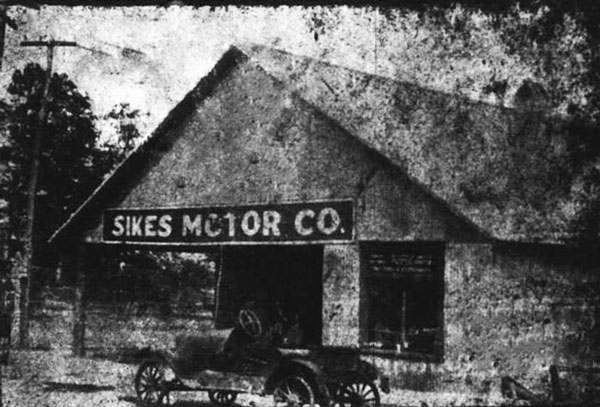
Sikes sold Chevolet and repaired all makes at his garage in Columbus.
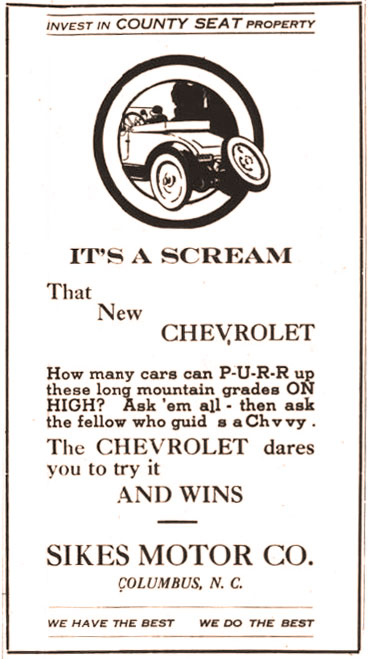
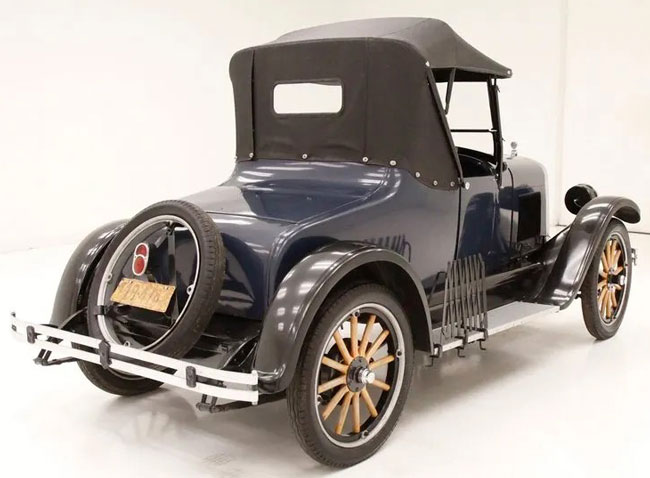
a restored 1925 Chevy
By the mid-Twenties it became clear that residential growth would no longer depend on public transportation, nor on proximity to one’s workplace by walking. Tryon’s new high-end Gillette Woods neighborhood was designed for homeowners with automobiles. Quarters for their cars were part of the architect’s assignment, unlike earlier home designs where stables and garages were hidden away. Mountain-top and remote locations became fashionable. A modern woman of means need not feel stranded. She learned to drive. Lady guests could come for lunch in their own autos.
By 1930 most Polk County enterprises were oriented to motor vehicles. Oak Hall Hotel, opened in 1886 across the street from Tryon train depot, now welcomed out-of-town guests who arrived by car and parked in its own lot. During the 1920s Thousand Pines Inn opened in Gillette Woods. On Godshaw Hill, Pine Crest Inn’s guests got there by motor taxi or private automobile, not by horse-drawn carriage.
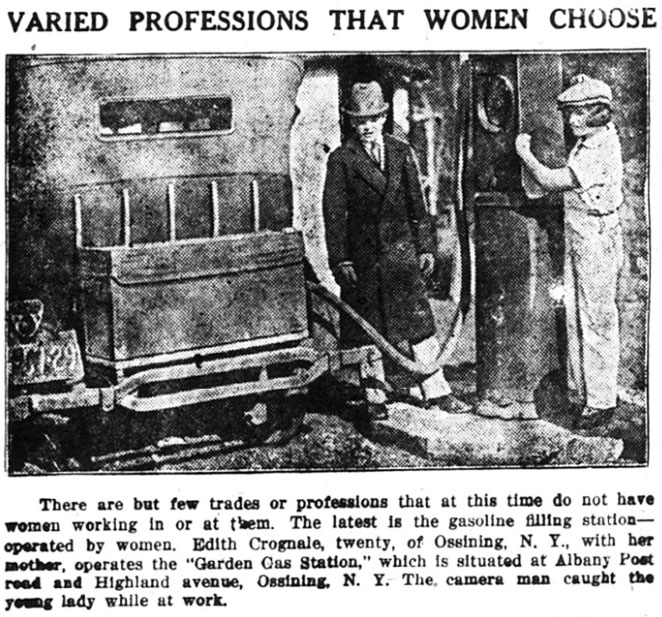
a humorous 1920s syndicated news feature published in Polk County News
Riding a horse had become fashionable again, but not really to get someplace. Owners of horse farms established out in Hunting Country all owned cars to go to-and-fro; their steeds no longer used for farming or drayage. Farmers were buying their first tractors, many got cars to get to town. Horses and mules continued in use for construction into the Forties, but by World War II most deliveries were made by motor trucks.
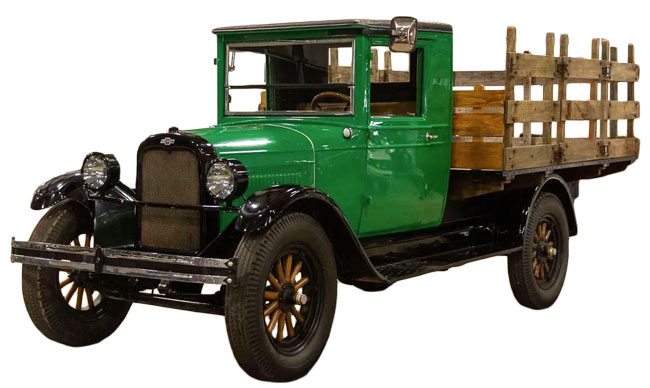
a 1925 Chevrolet delivery truck
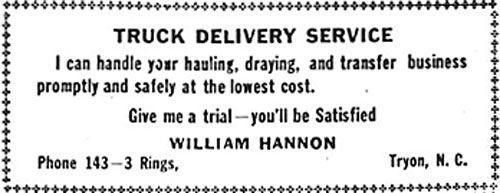
Black drayman William Hannon bought his first motor truck in 1925, proudly advertised in Polk County News.
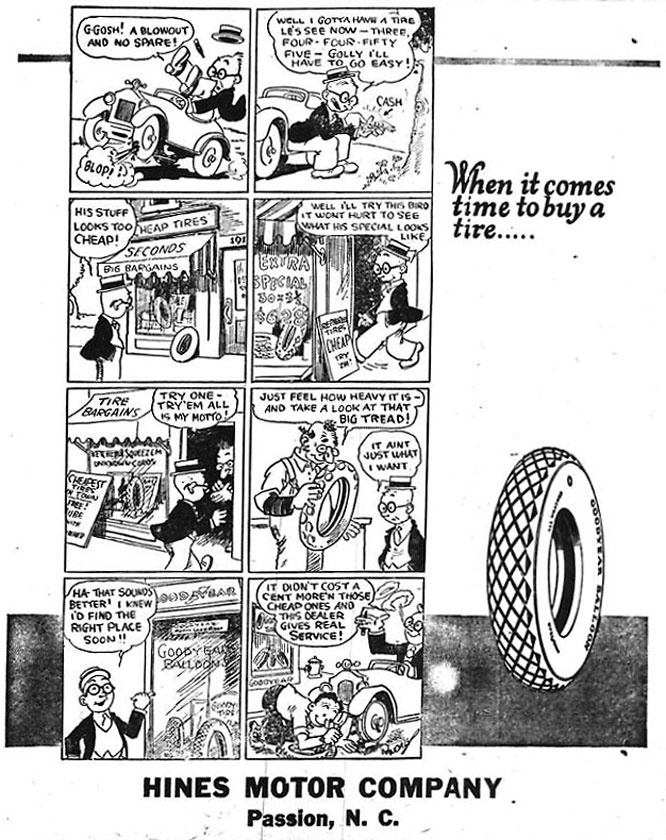
Passion was a post office in Green Green township, near South Carolina on Highway 9.
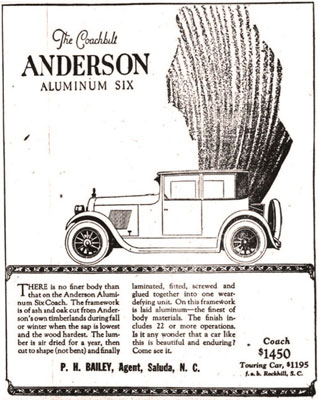
Horse-drawn vehicles made in Rock Hill, South Carolina, had long been appreciated by Polk County customers. High-quality Anderson automobiles were crafted in Rock Hill with aluminum bodies and sold by agent P.H. Bailey in Saluda. This car manufacturer was liquidated in 1926.
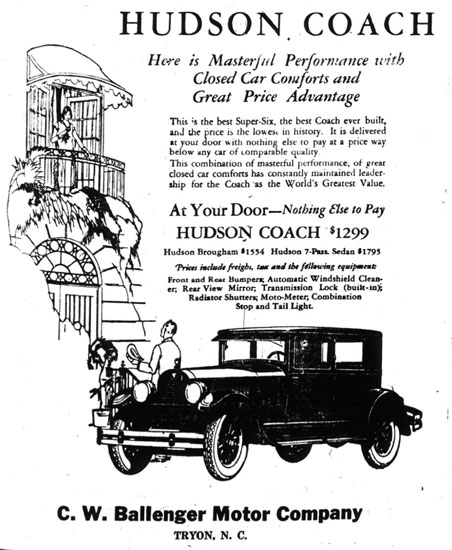
Claude W. Ballenger sold Hudson and its popular Essex marque at his Tryon dealership on Pacolet Street.
courtesy Frances Hyder Parker
Nostalgia for the early days of automobiles stimulated artist Gary Page to paint a watercolor featuring the old Silver Springs filling station. Prints of his painting are very popular. The restored McClure’s station by Highway 176 is an authentic relic dating back to America’s early era of Auto Mania.